
Silvia Pérez Bou has published a new study on how Zara is repositioning itself through the architecture of its stores
Can a store’s design change the perception of a global brand? The research was conducted in collaboration with Valentina Bauzá, a student in the Master’s in Architecture program at the University of Navarra.
08 | 04 | 2026
The new article by Silvia Pérez Bou ( ISEM Fashion Business School) and Valentina Bauzá, published in the *Journal of Global Fashion Marketing*, focuses precisely on this: how Zara is using the architecture of its stores as a lever for repositioning.
When Space Conveys a Brand
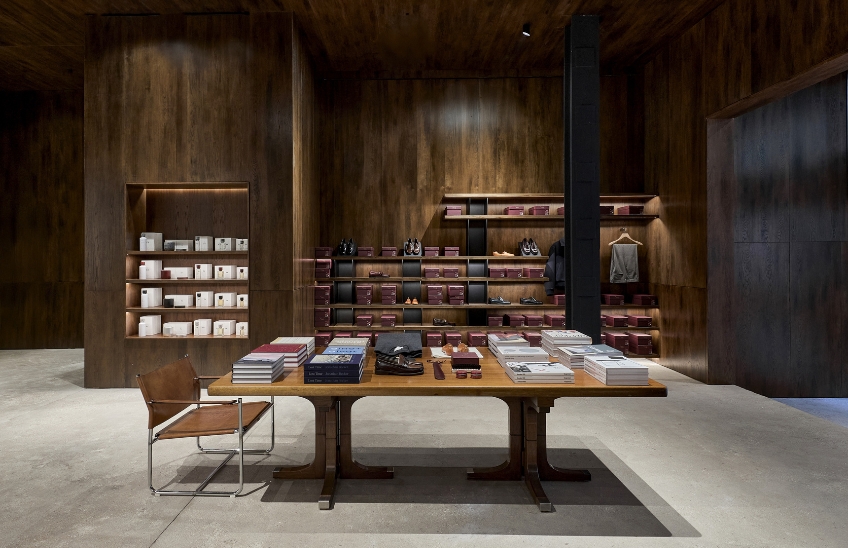
The study shows how Zara is redefining its identity through the physical design of its spaces. The key lies in the incorporation of elements characteristic of "quiet luxury": carefully selected materials, a refined aesthetic, a "home-like" layout, and an atmosphere designed to foster an emotional connection.
It's not just a matter of aesthetics; it's a brand strategy.
Although digital integration (phygital) remains a feature, the article emphasizes that it is no longer a distinguishing factor. At Zara, it is almost standard practice. What matters now is how that technology is seamlessly integrated to enhance a more fluid and sophisticated experience within an environment that conveys new values.
What customers say (and why it matters)
One of the most interesting aspects of the study is the analysis of social media comments, which confirms that this change has not gone unnoticed.
In these reviews, customers highlight:
- The aesthetics and atmosphere of the stores
- A sense of quality and care
- An experience more akin to that of luxury brands
In other words, rebranding isn't just about design—it's also about perception.
A case that illustrates the change
The analysis includes spaces such as Zara Man Hermosilla in Madrid, where the layout feels more like a home than a traditional store: distinct areas, warm furnishings, and an experience designed to encourage customers to linger.
At the same time, this approach is compared with brands such as Saint Laurent, highlighting how the boundaries between luxury and the mainstream are being redefined.